XPLOR GROWTH REFERRALS
A project that allowed me the opportunity to truly take ownership of the product process— from discovery to handoff.
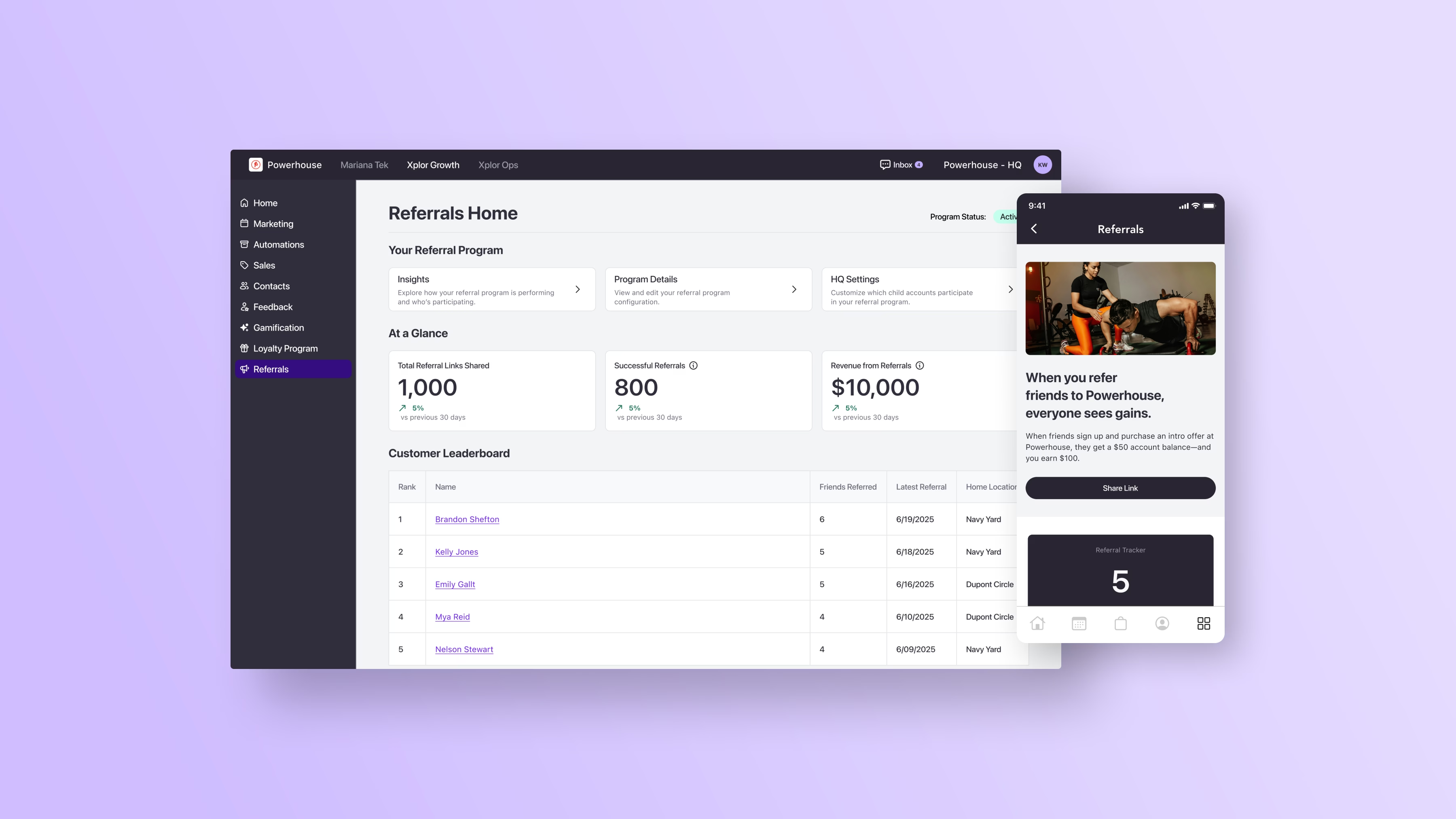
Our businesses were relying on spreadsheets and guesswork to manage word-of-mouth referrals, with no way to measure what was working. So we built one of our most requested features— a referral program that automates the entire process, from program setup to consumer experience to real-time performance data.
Xplor Growth is a CRM platform that helps businesses organize, engage, and market to their customers, all in one place. Xplor Growth integrates with multiple products across the Xplor ecosystem, though it’s most deeply integrated with Mariana Tek, Xplor's booking platform for boutique fitness studios. And it was our boutique fitness studios that were requesting referrals most urgently.
THE PRODUCT
Xplor Growth
MY ROLE
Senior Product Designer
THE TEAM
Aurora Brigham, Product Manager
Joseph Abrahams, Engineering Lead
Rick Thompson, Front-End Developer
Callum Cook, Front-End Developer
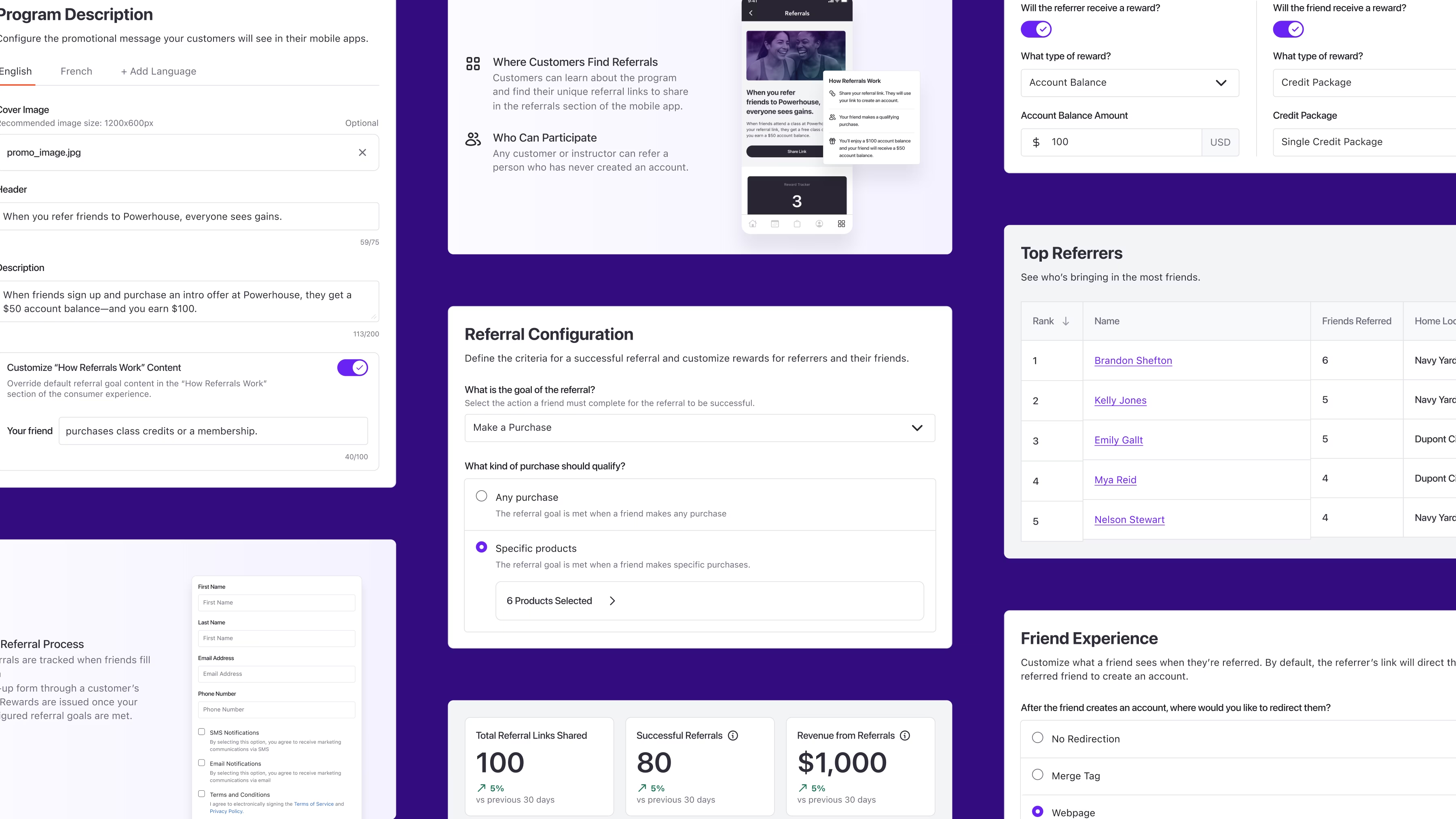
There was a massive demand for referrals within our boutique fitness sector. Of the 120 customer insights we received requesting a referral program, 88% rated the feature as “important” or “critical.”
The problem wasn't demand— it was execution. Studios were running referral programs manually through discount codes, spreadsheets, and ad hoc campaigns. They had no visibility into which members were driving the most referrals, or whether rewards were being issued consistently. Staff time was being drained on tracking, loyal advocates were going unrecognized, and referrals couldn't scale into a reliable growth lever.
Through dozens of discovery calls, insight forms, and surveys, the urgency became even clearer. Some customers were paying third-party vendors to get referral functionality, and others flagged the lack of a referral feature as a reason they were considering leaving the platform. We weren't just missing a feature— we were leaving revenue on the table.
COMPETITIVE ANALYSIS
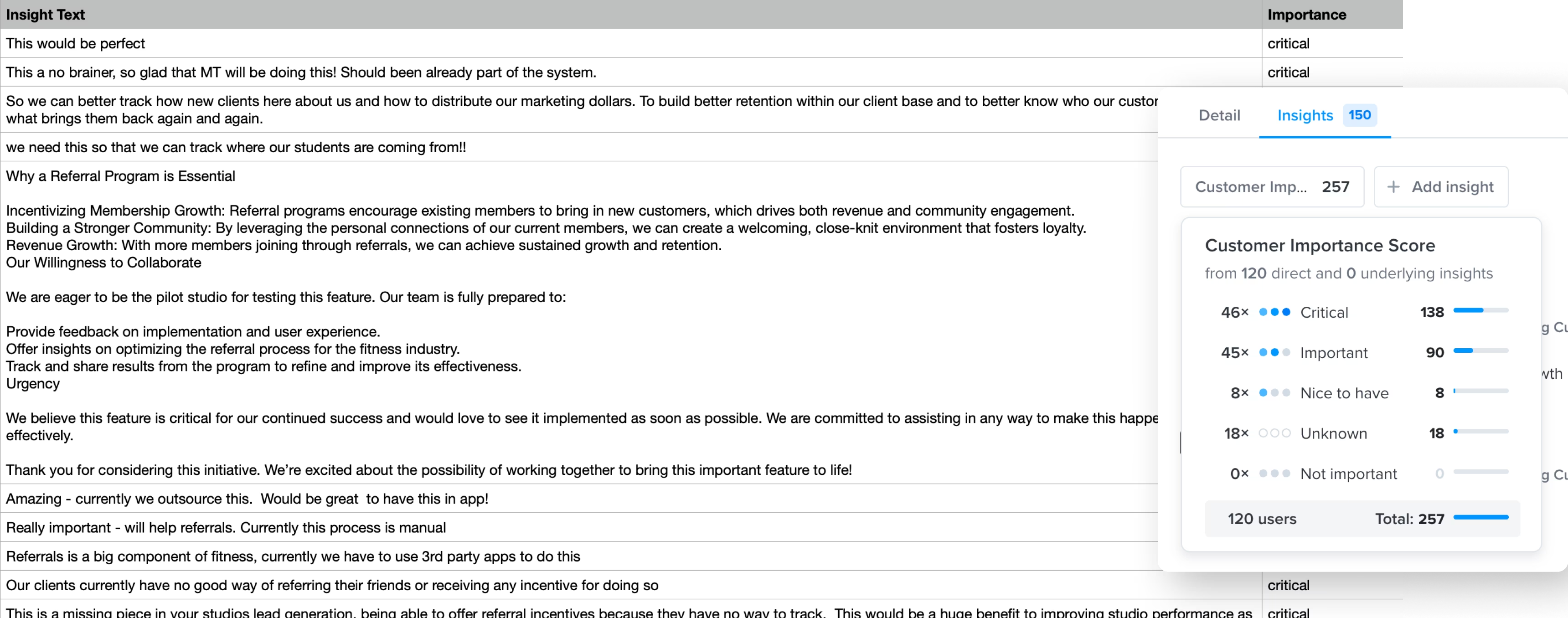
We reviewed 20 gyms and fitness studios that currently run referral programs and analyzed common patterns in the referral goals and reward structures.
We looked specifically at what kinds of rewards the studios and gyms were offering and how customers— both referrers and referred friends— accessed the program. Two clear patterns emerged: free products and monetary rewards dominated, whether that was a waived intro fee for a friend, a free class, or a free month of membership for the referrer.The common thread was incentivizing new customers to visit more than once while keeping existing members engaged. Access was equally consistent— referrals were shared overwhelmingly through unique links via mobile app, account pages, or in person.
USABILITY INTERVIEWS
"We completed 7 usability interviews with our boutique fitness businesses to drill down on what success looks like for an Xplor Growth referral program."
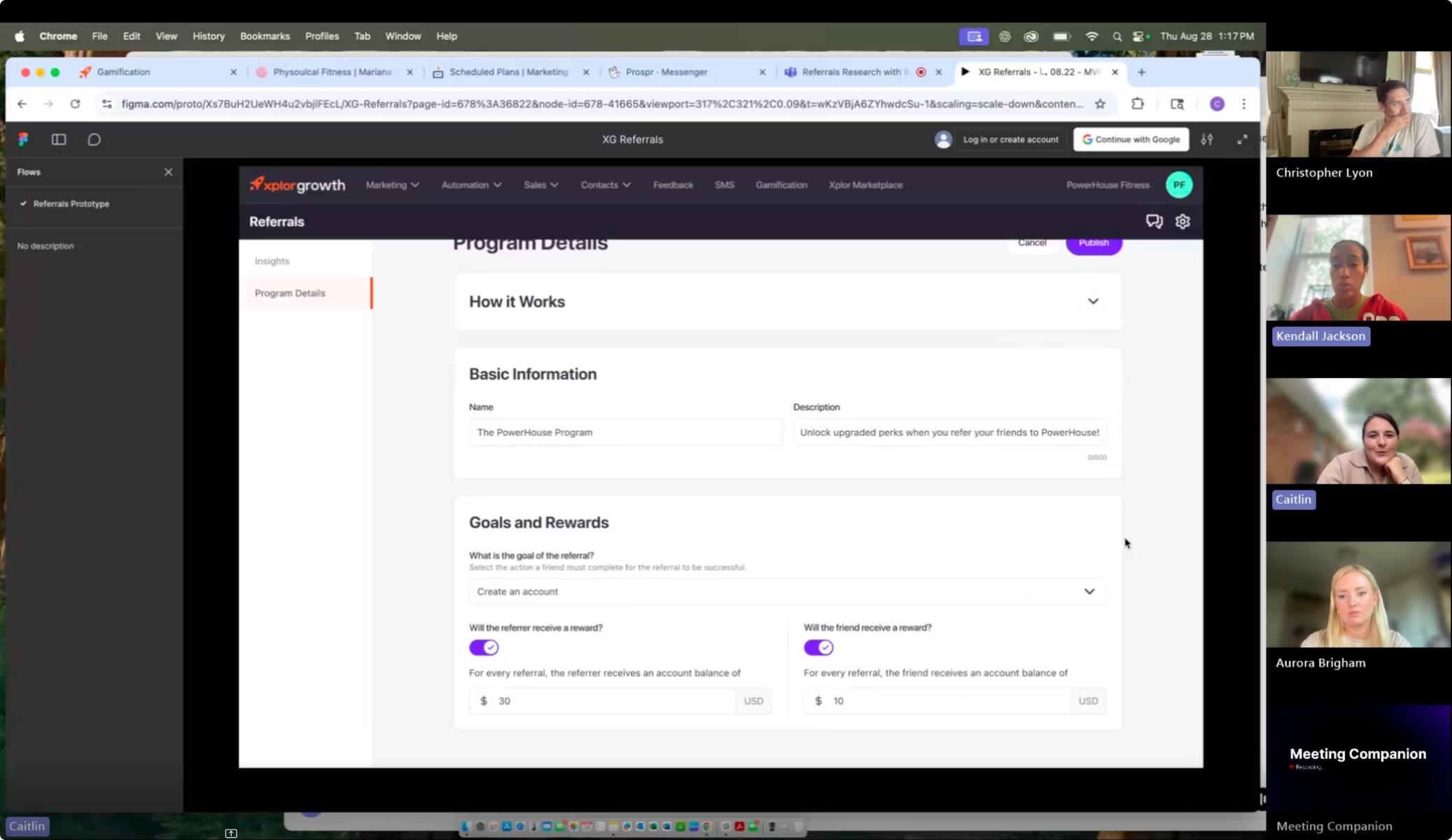
Before sitting down with customers, we aligned our interview questions around four core research goals: understanding how studios were currently managing referrals, how much flexibility they needed when configuring a program, what metrics they needed to measure success, and what business outcomes they were tying to referrals.
LO-FI ITERATIONS
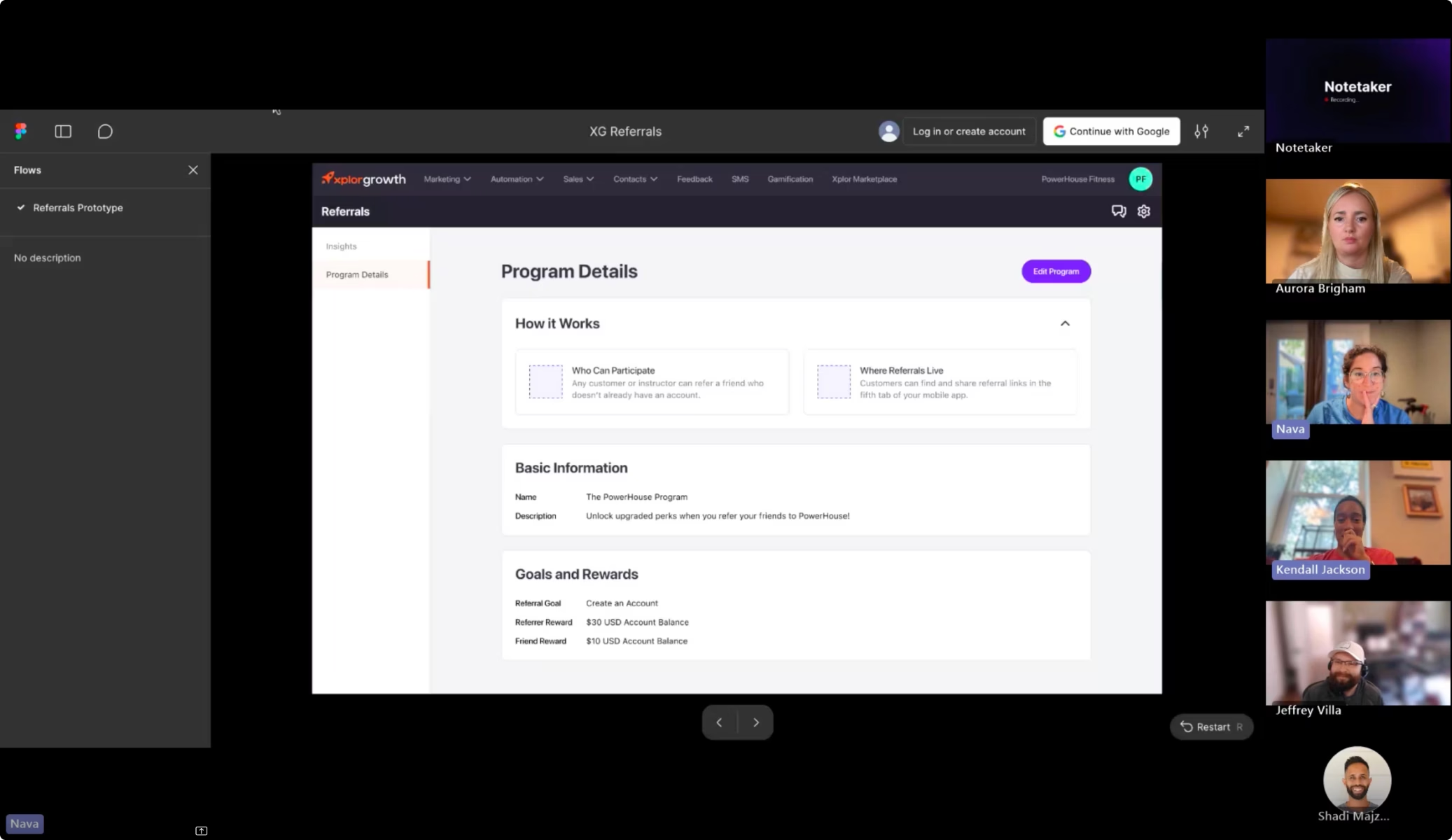
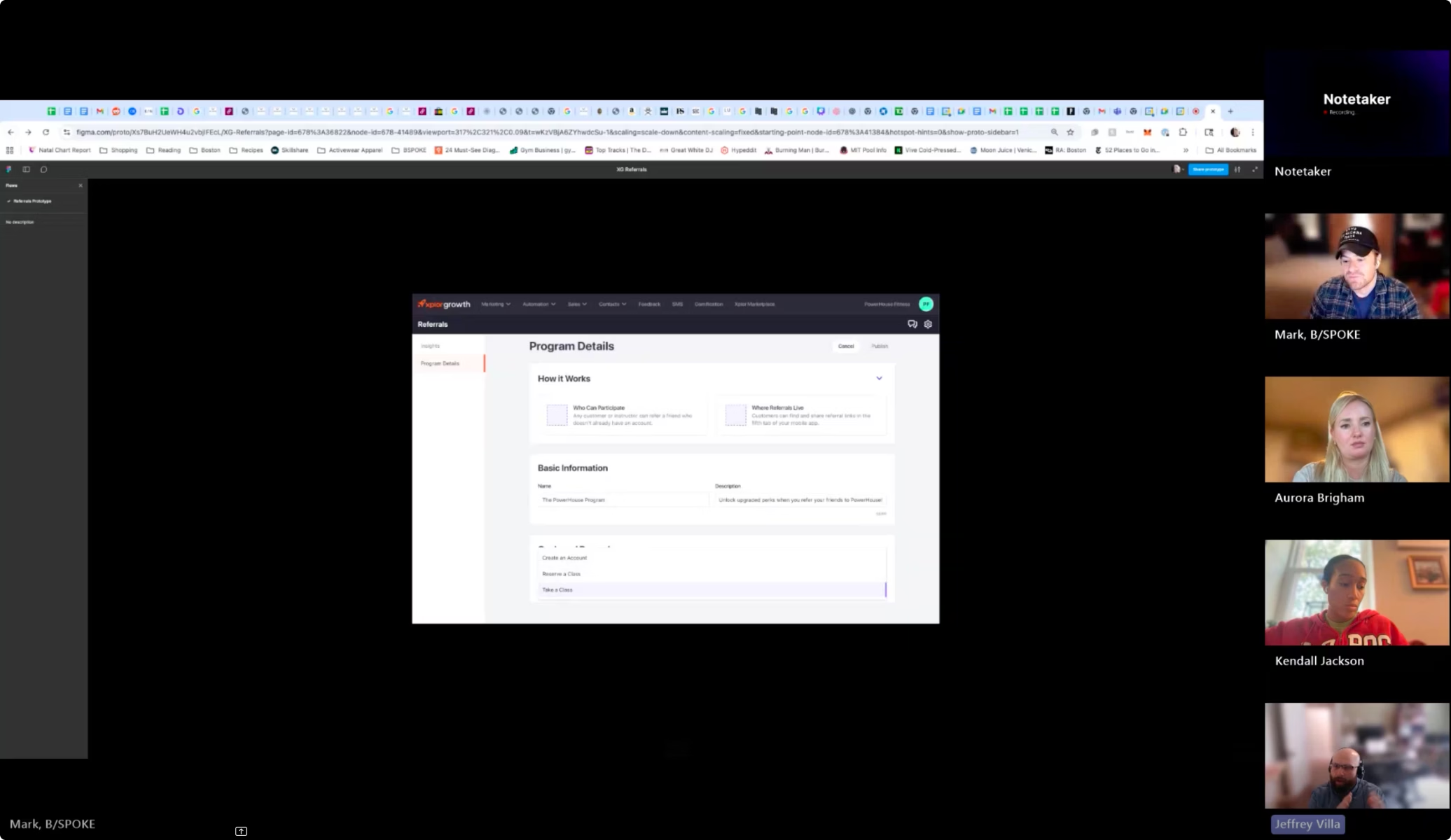
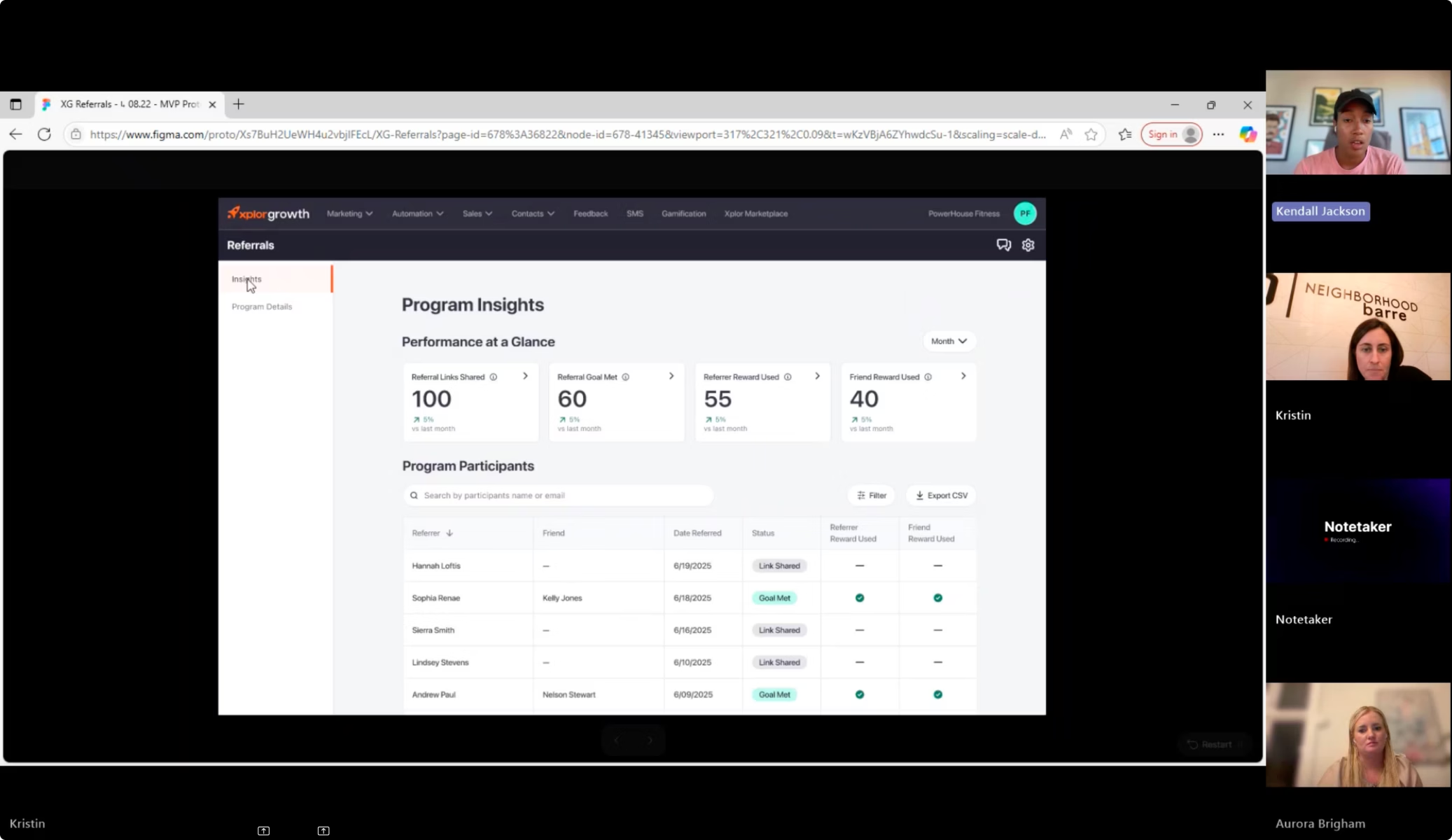
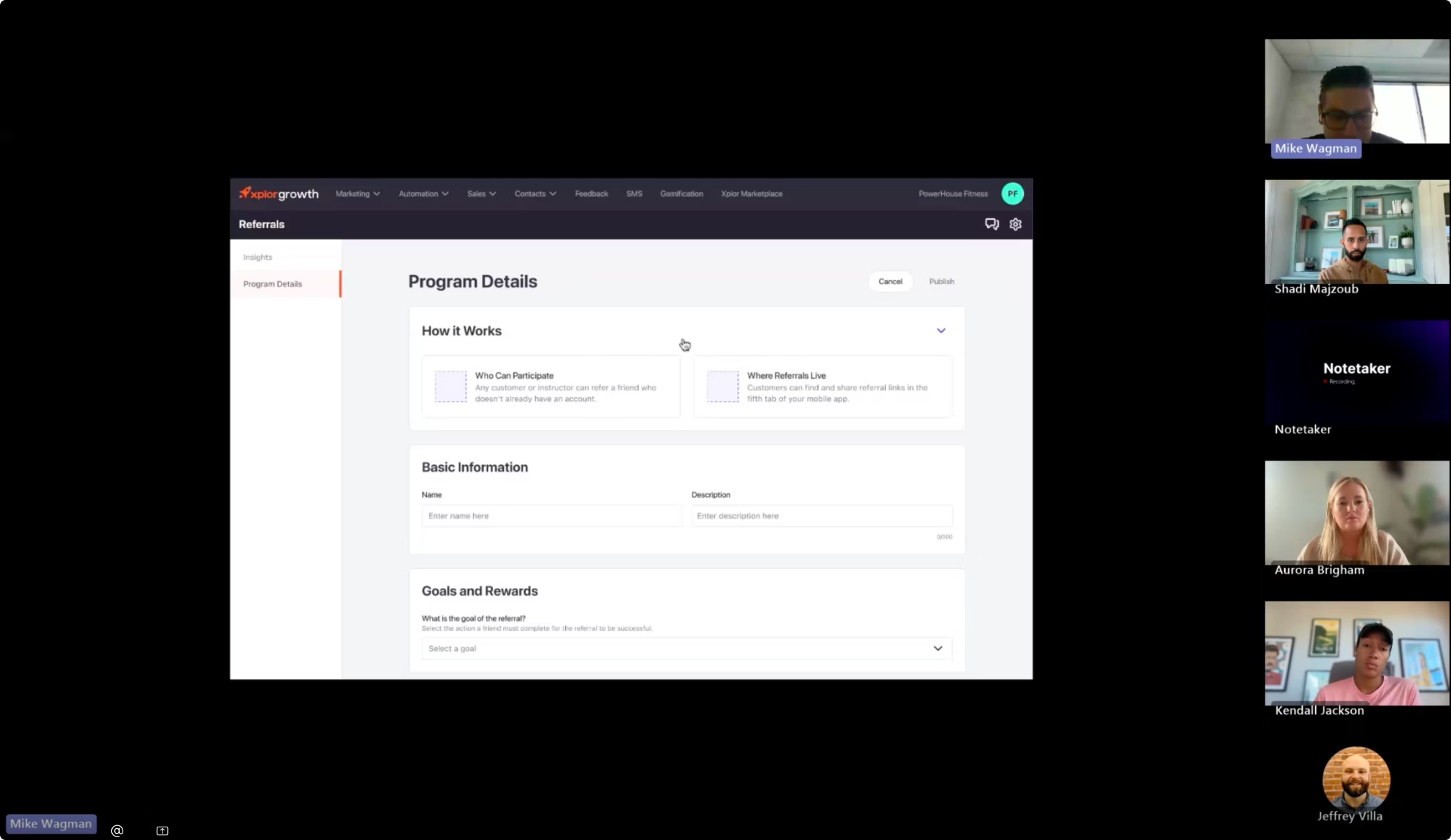
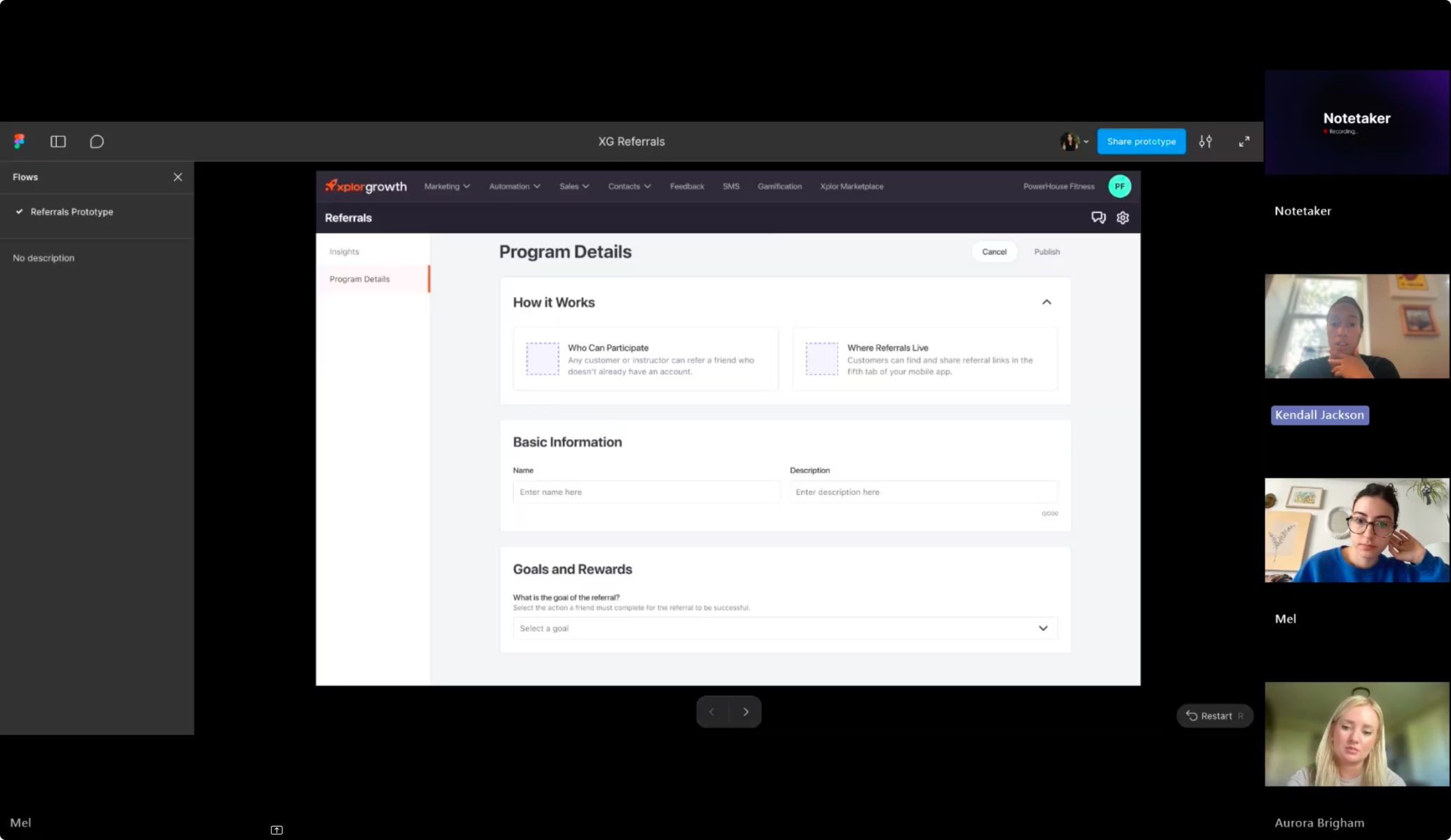
My initial design direction was intentionally bare bones. Our strategy was to design the simplest prototype we could, test it with customers, and let their feedback tell us where the real MVP lived.
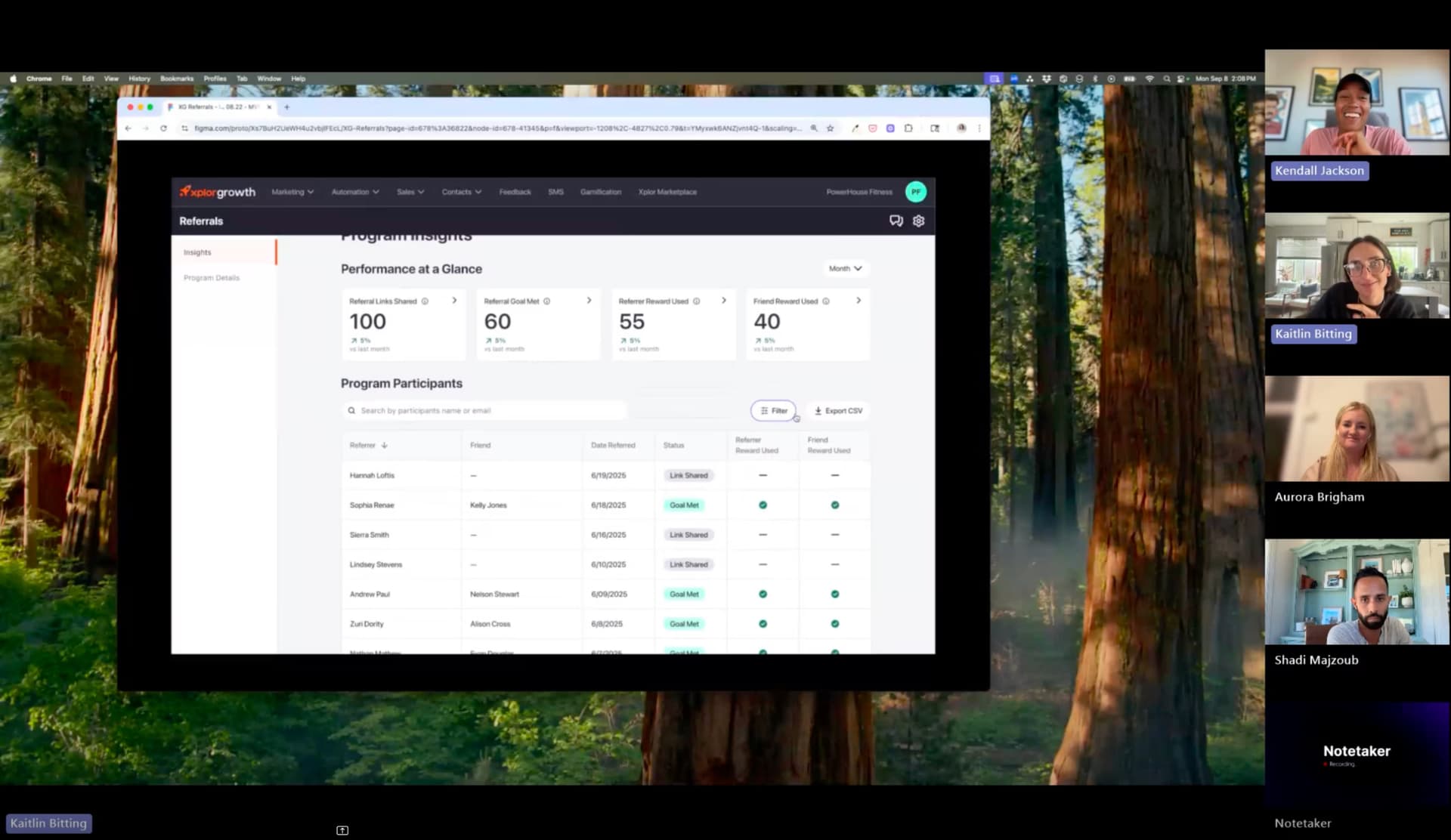
Our research told us that the simplest viable referral program needed three things: a goal that triggers the reward, a reward structure for the referrer and/or the friend, and a way to track who's participating. So that's where we started.
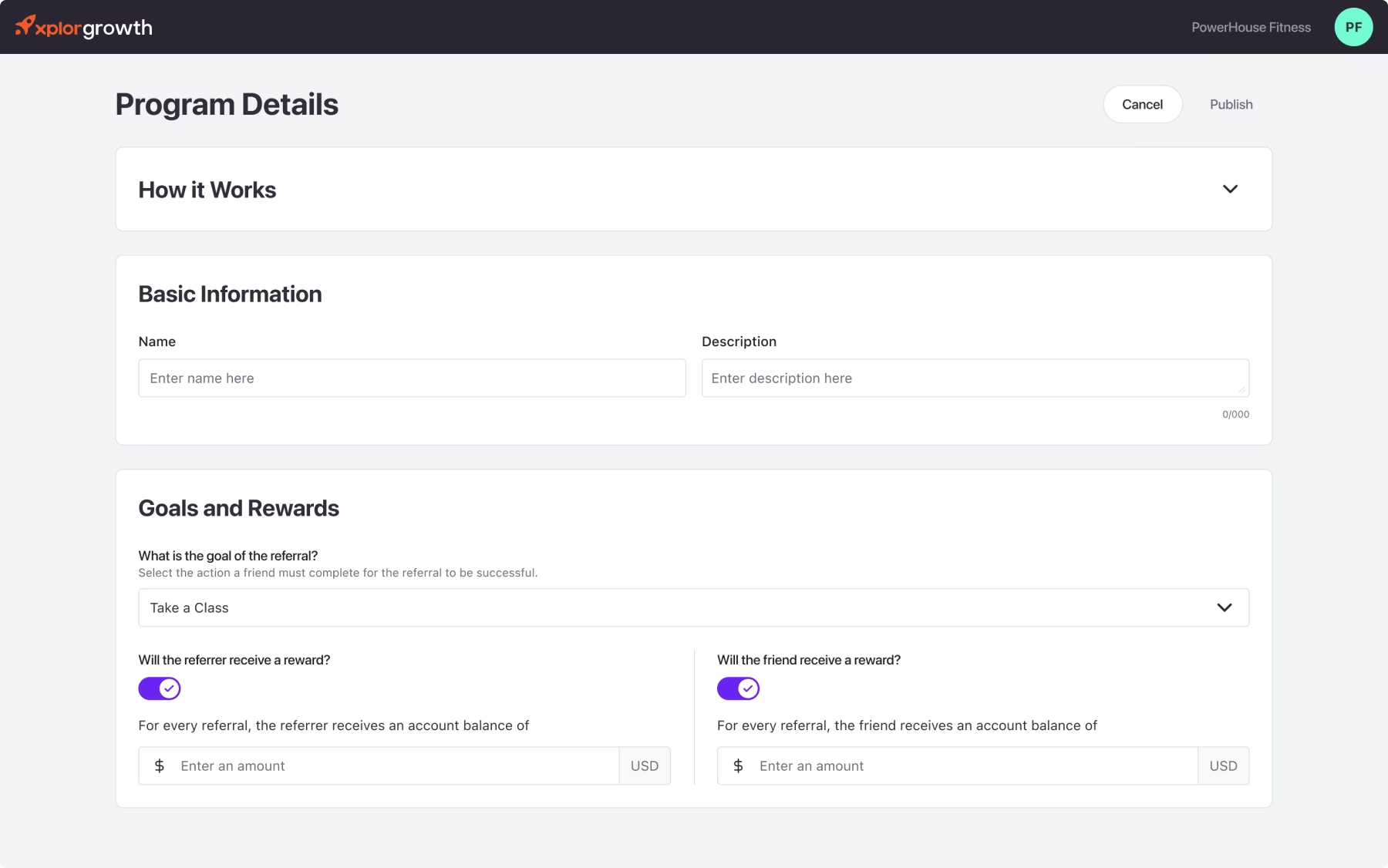
The first prototype offered three referral goal options— the referred friend creates an account, reserves a class, or takes a class— with a single reward type: an account balance credit to the referrer, the friend, or both. For performance tracking, we kept it equally minimal. We included how many members were sharing referral links, how many shares converted into successful referrals, and who had redeemed their rewards.
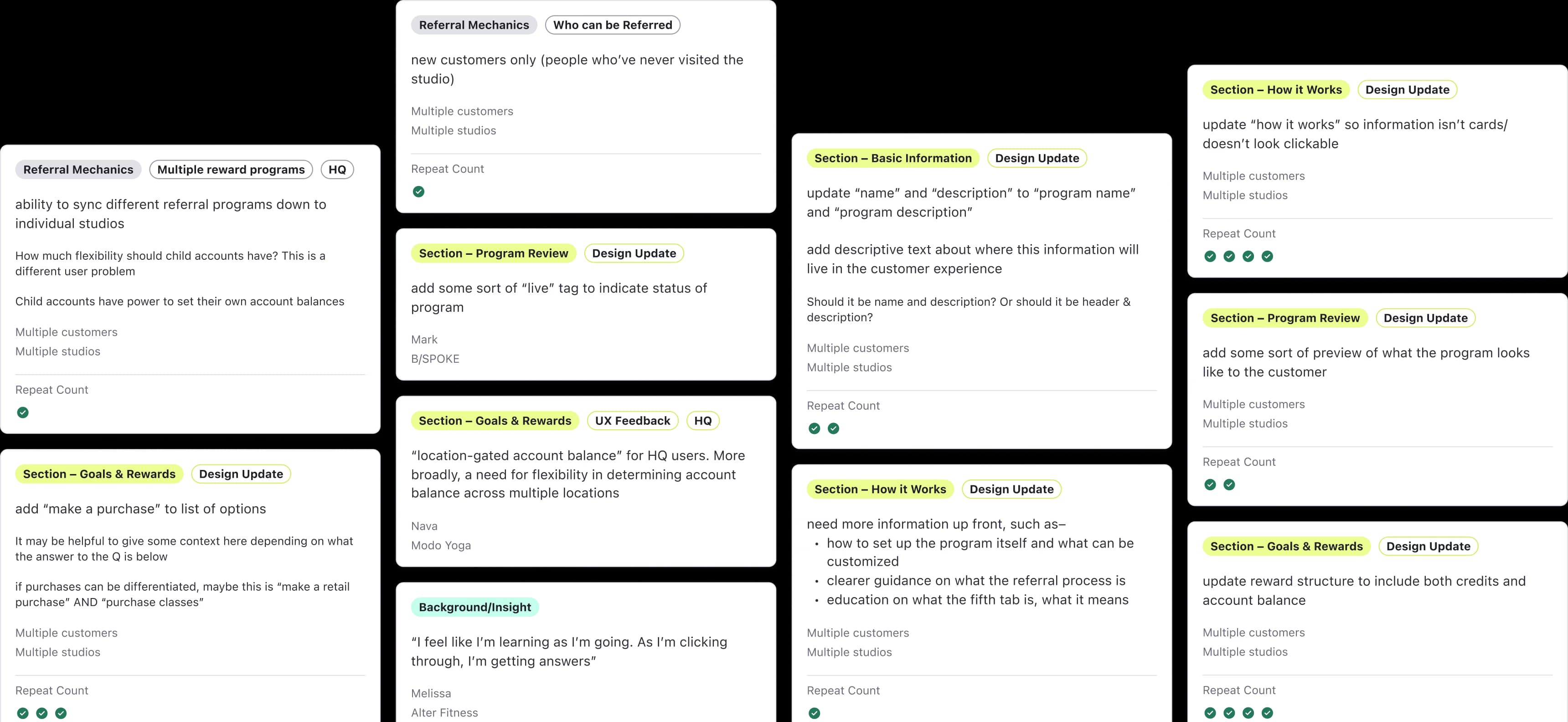
CUSTOMER FEEDBACK
Overwhelmingly, customers responded positively to the simplicity of the program setup. And because we kept things simple, the actionable feedback we received was clear— falling into three consistent themes.
Customers wanted goals and rewards that encouraged repeat visits.
We heard this from nearly every person we spoke to— the original goal options we surfaced weren't enough. Studios wanted purchase-based goals and free class rewards because their priority wasn't just getting new faces in the door, it was getting them to come back.
Customers needed to see what they were building.
Users had no visibility into the consumer-facing experience as they configured their program, and the 'how it works' section wasn't giving them enough context. They didn't want to build the plane while flying it— they wanted to preview exactly what their customers would see.
Revenue gained and top referrers were essential success metrics.
One of the biggest frustrations with manual referral tracking was the inability to see which members were referring the most friends and how much revenue referrals were actually generating. Studios wanted to recognize their top advocates — and they needed the data to do it.
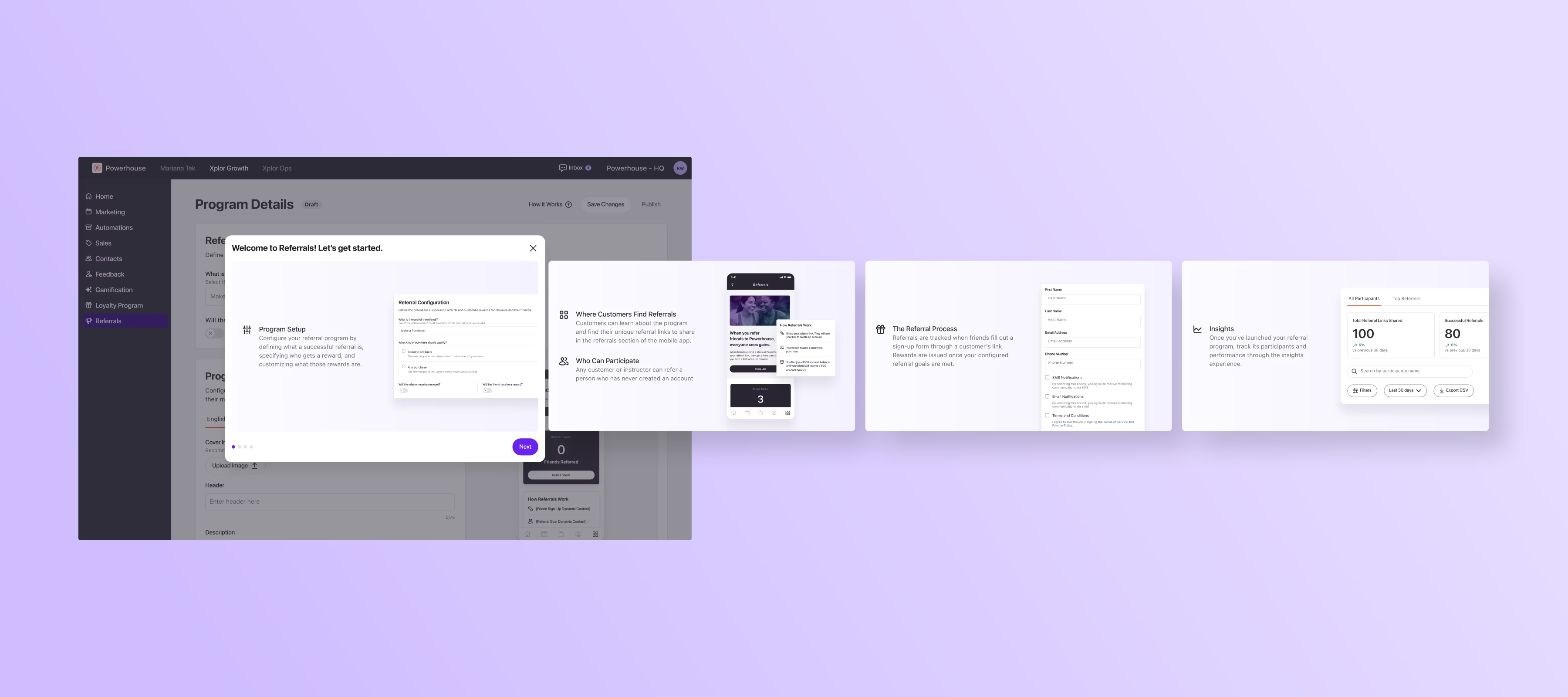
EDUCATIONAL MODAL
Users wanted visibility into what they were building before they got started. When users first navigate to referrals, an educational modal walks them through the three key stages: setting up their program, how customers find and share referrals, and how to track performance.
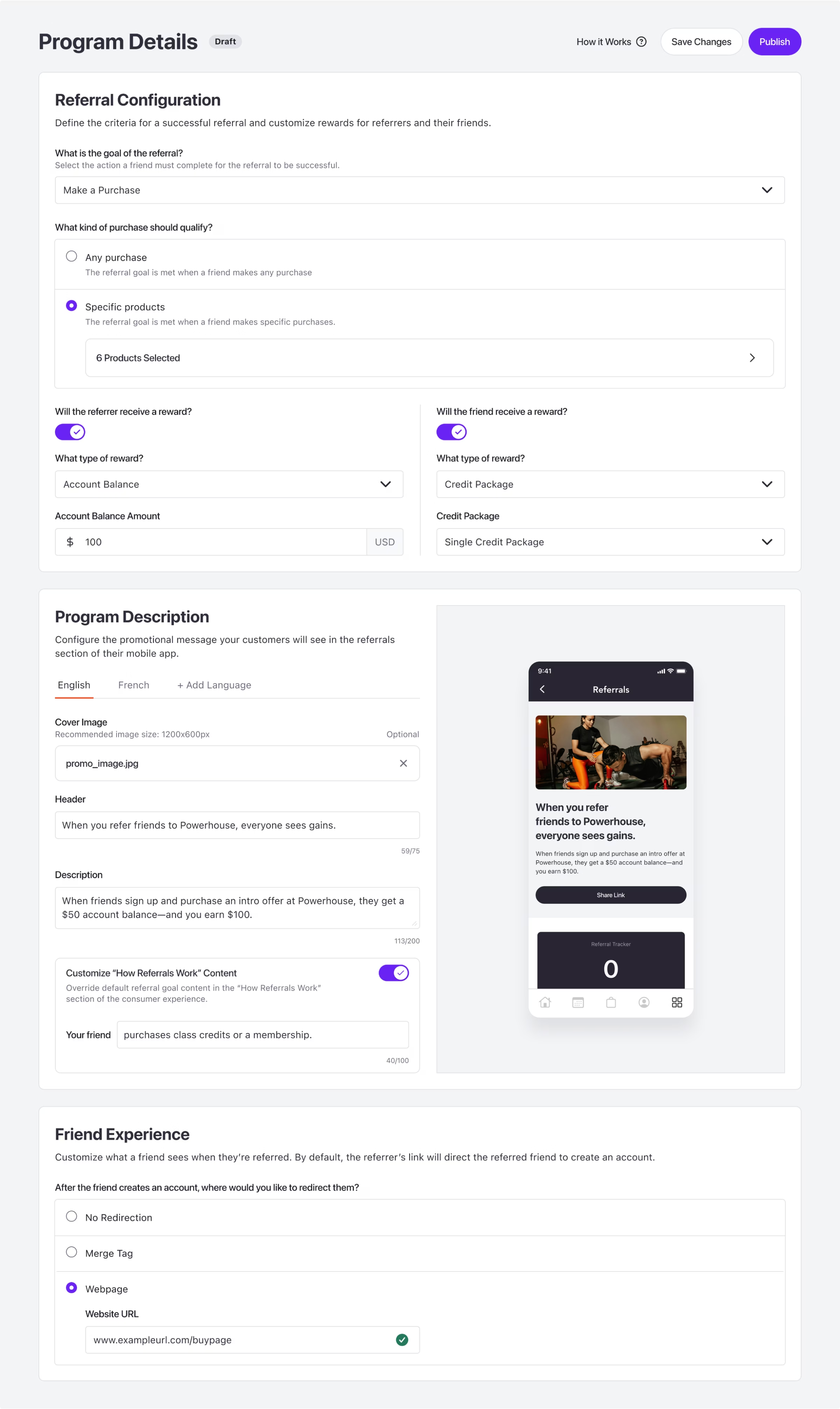
PROGRAM CONFIGURATION
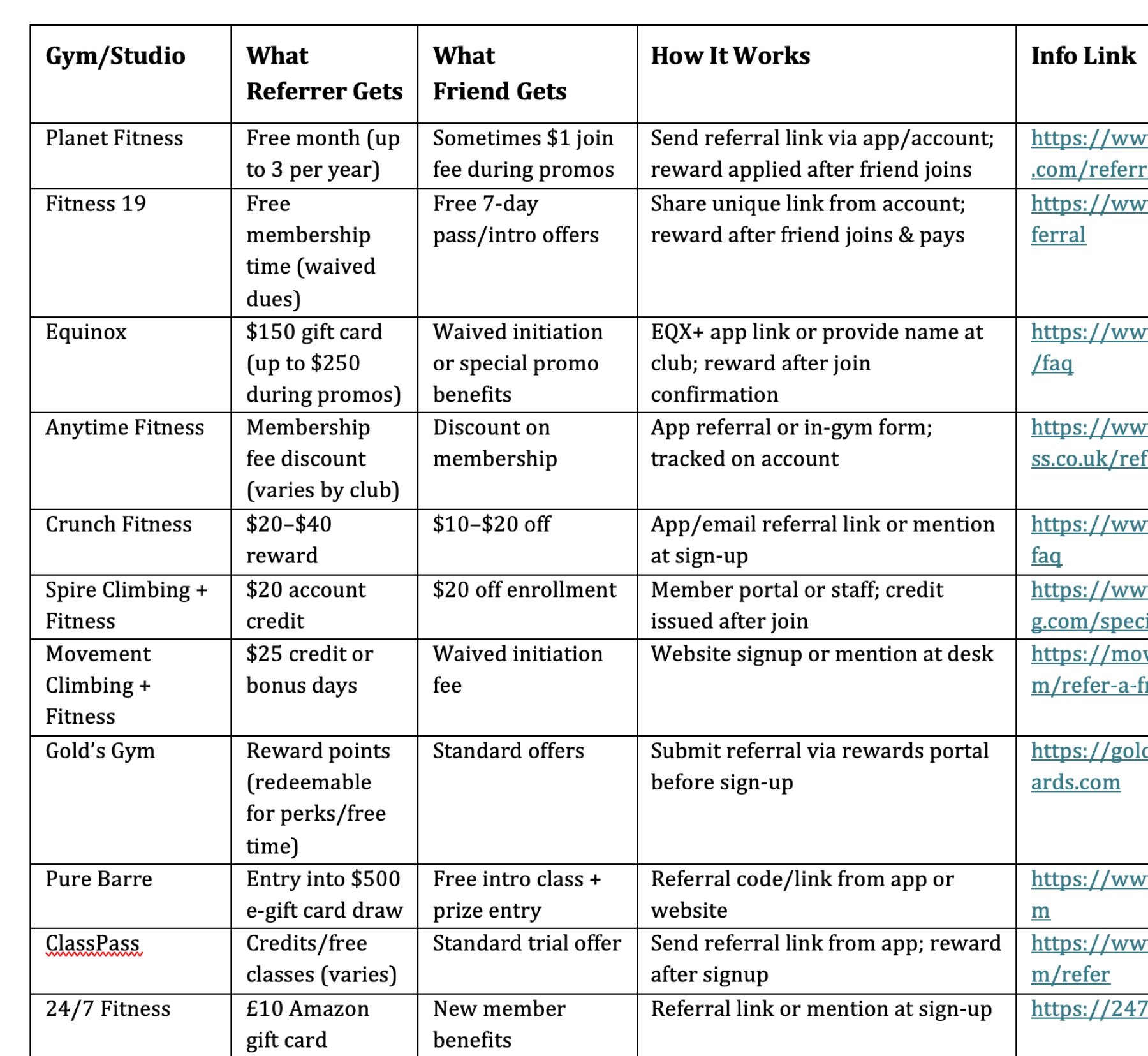
Across the admin experience, we kept the simplicity customers applauded and layered in the flexibility they asked for. The three referral goals were updated to create an account, take a class, and make a purchase— with the ability to customize which purchases qualify (for example, only counting class credits or memberships towards a successful referral). We also added class credits as a reward type for both the referrer and the friend.
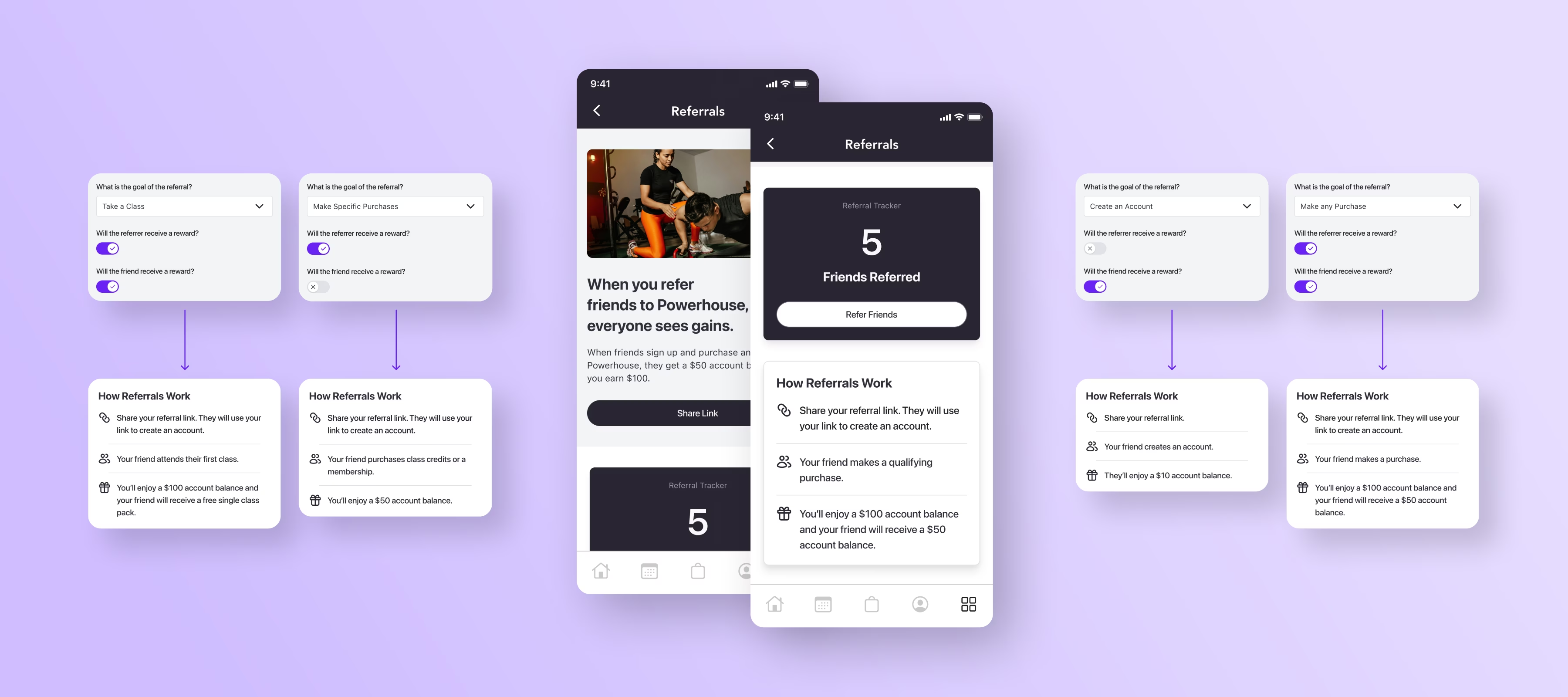
On the consumer side, we expanded the configuration to support multiple languages for studios with an international presence, added the ability to customize dynamic content based on the user's referral goal, and included a real-time preview of the mobile experience. Users can also customize where referred friends land after opening the referral link and creating an account.
BIRD'S EYE VIEW
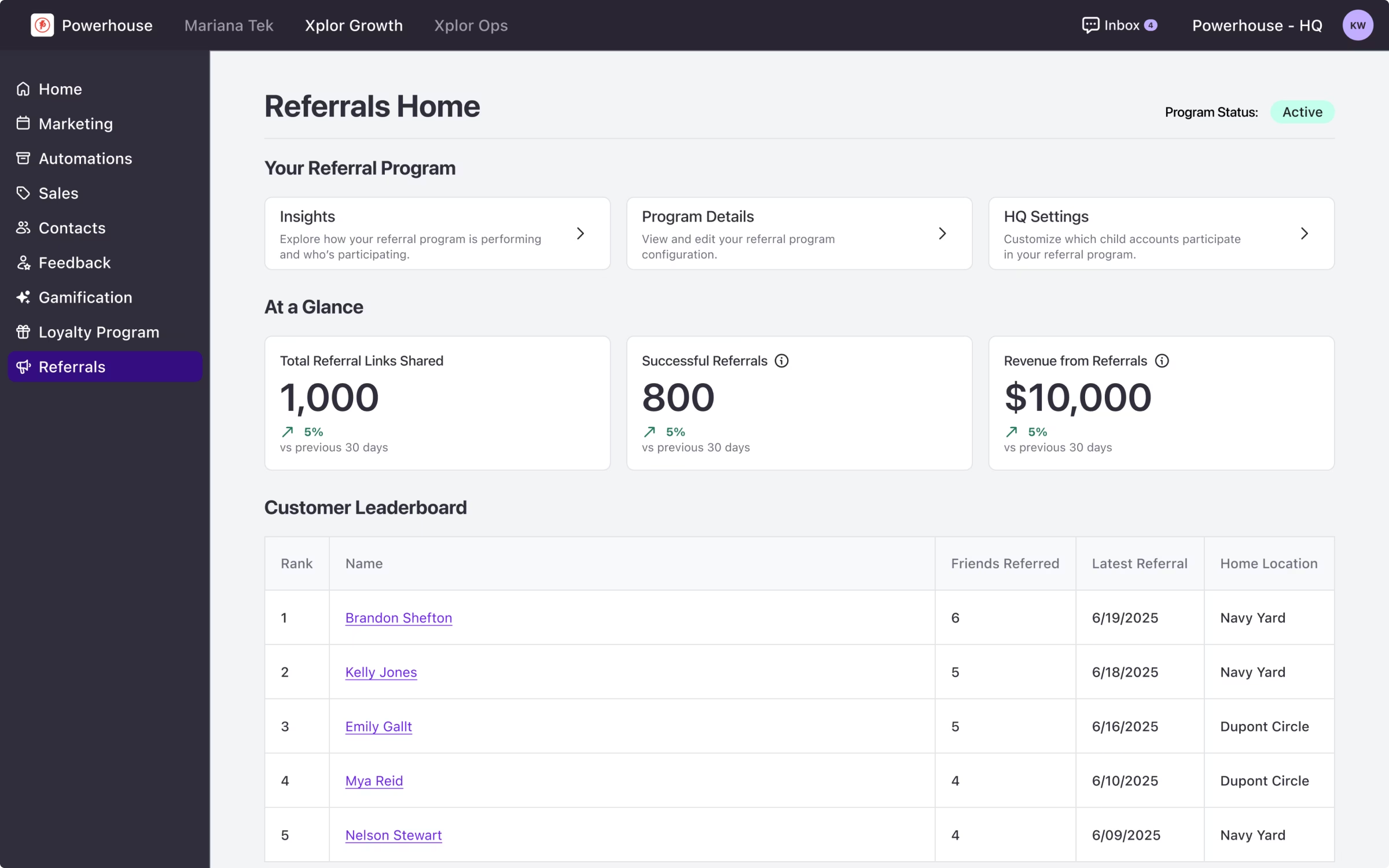
We built a dedicated referrals home page that gives users a high-level snapshot of performance and quick navigation to the program's core components: insights, program details, and settings.
MULTI-LOCATION CONTROLS
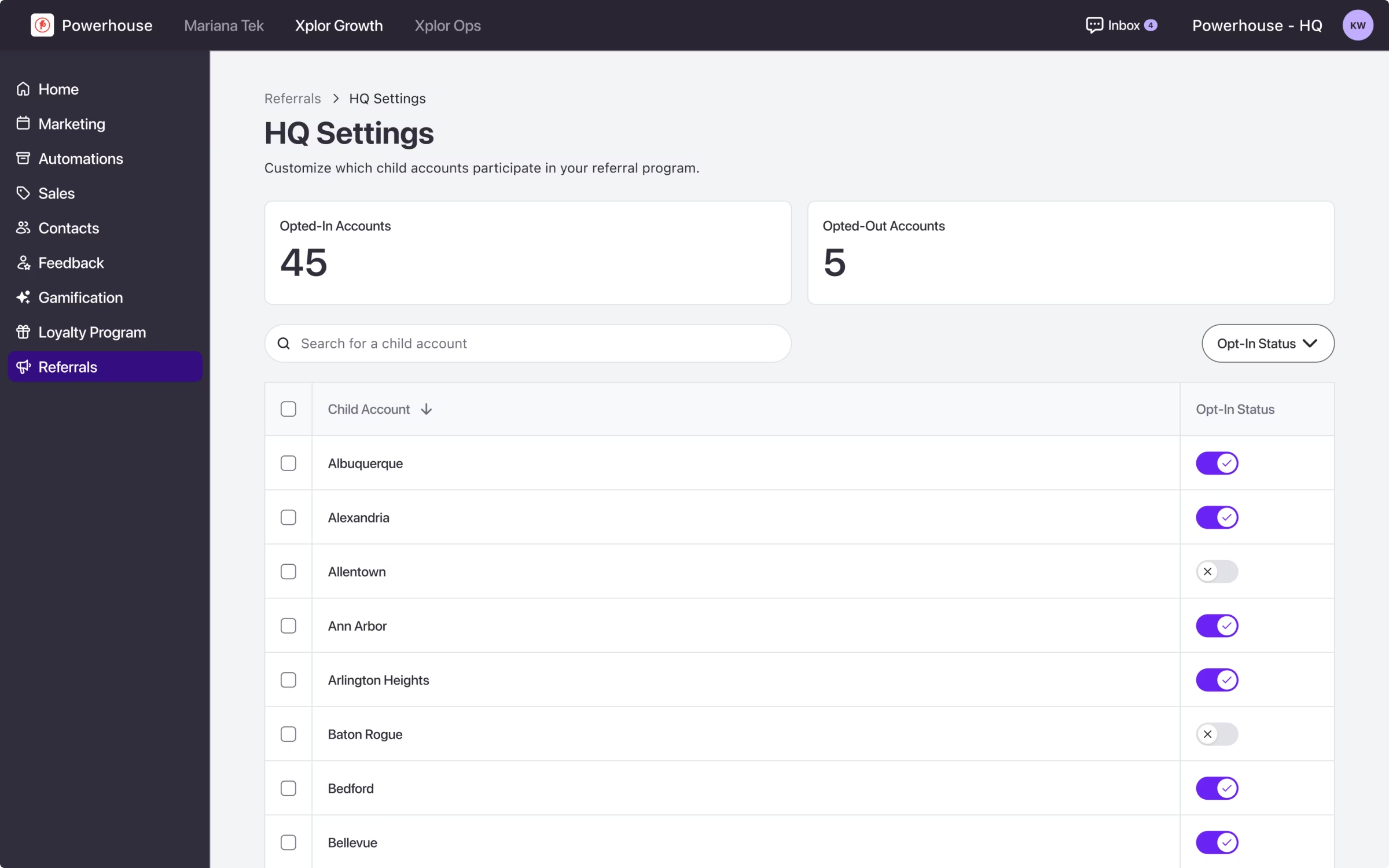
Many of our customers operate more than one location— in some cases, dozens or hundreds of studios across multiple states and countries. We built controls that let these businesses manage referrals across locations, with the ability to toggle the feature on or off by studio. Future iterations will allow HQ offices to define which parts of the program individual locations can customize and which remain locked at the brand level.
REFINED INSIGHTS
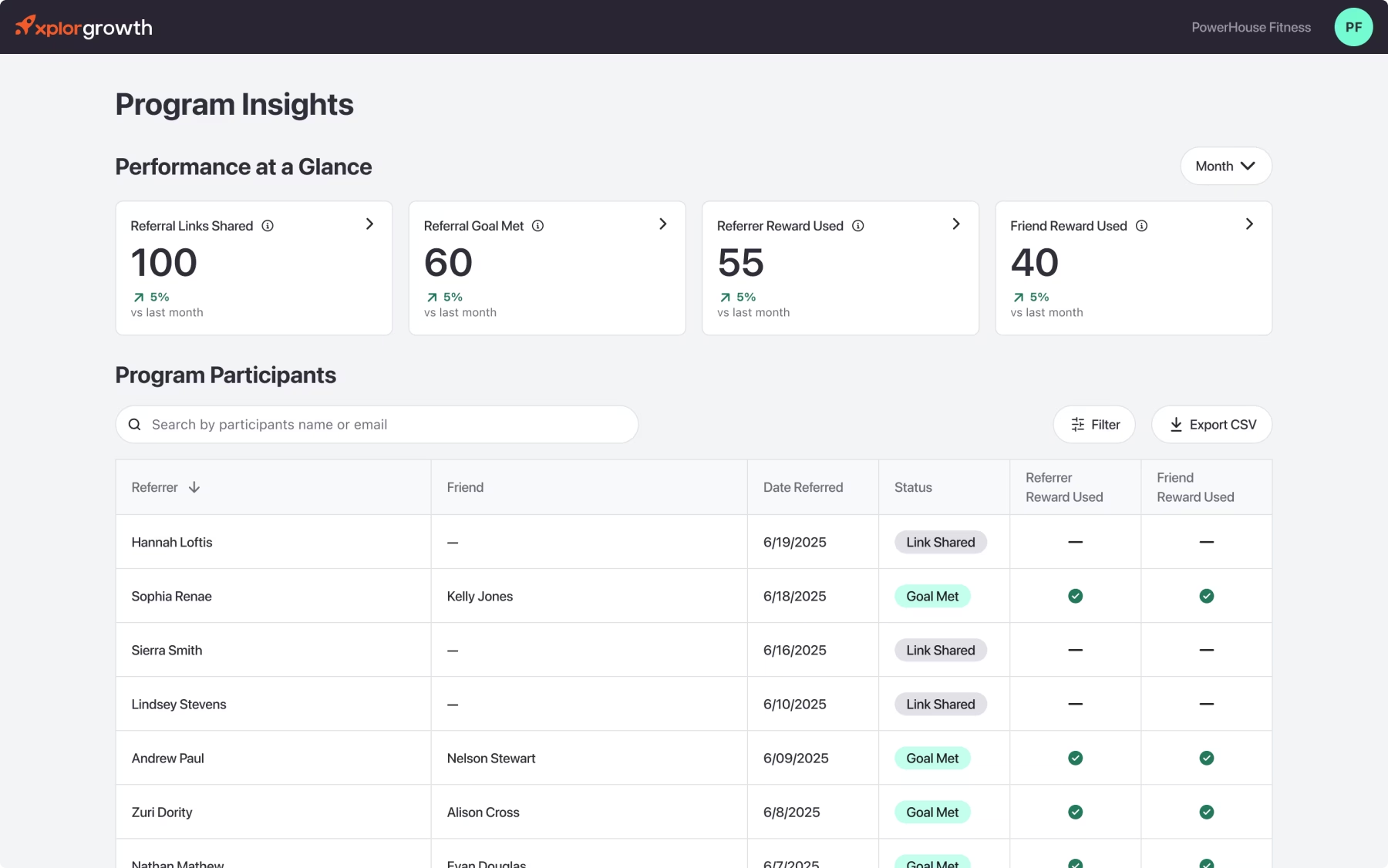
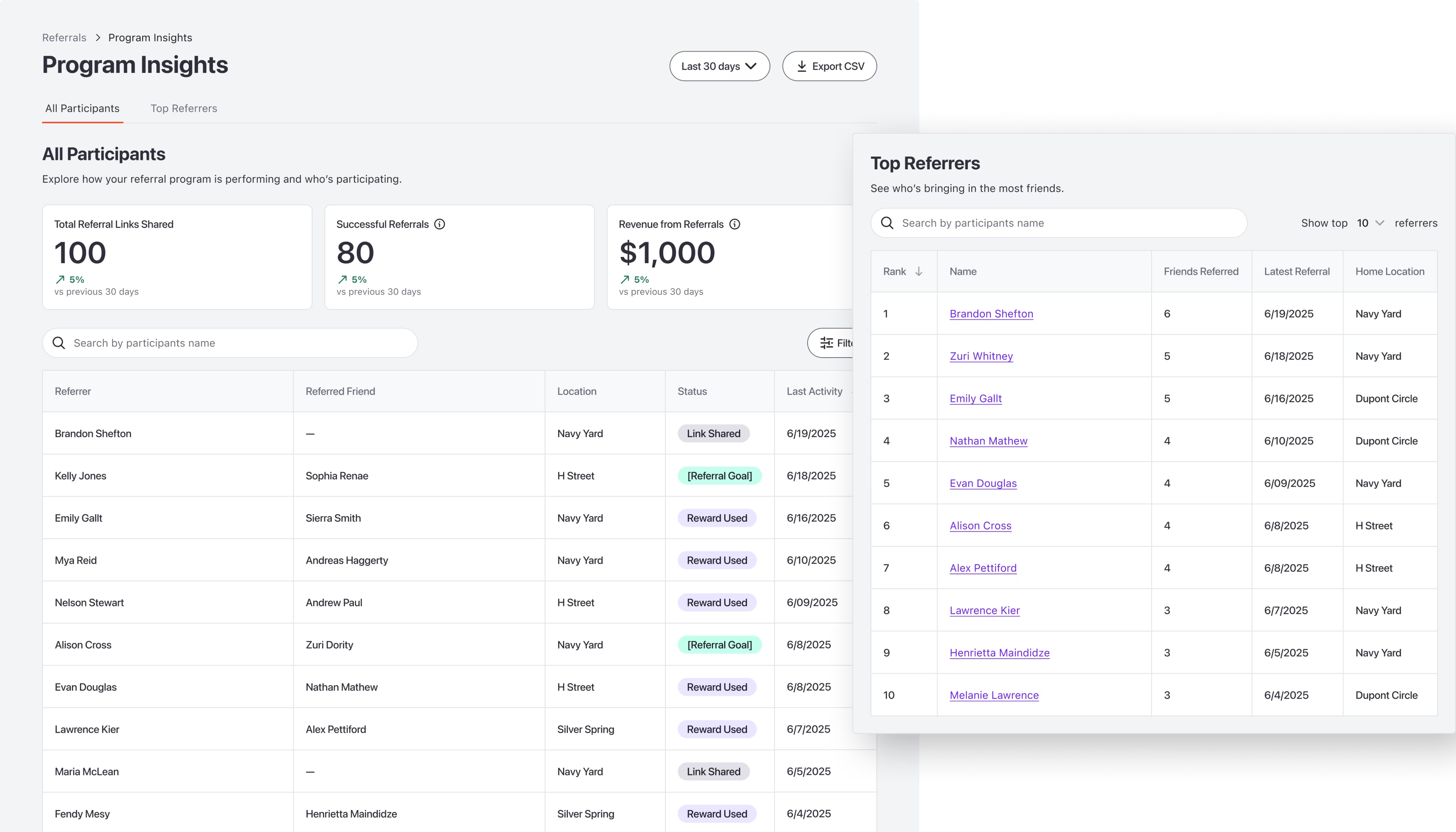
We kept insights focused for MVP, centering on the metrics customers told us mattered most: how many referral links have been shared, how many converted into successful referrals, and how much revenue the program has generated. Users can also drill into referrals at an individual level— who referred whom, when and where it happened, and the current status of each referral. A top referrers list also gives studios clear visibility into their most active advocates.
Post-MVP, we plan to expand into deeper performance metrics— goal-specific conversion rates, most purchased items from referrals, referred-friend-to-member conversion— and give users the ability to customize which metrics appear on the referrals homepage.
A DYNAMIC CONSUMER EXPERIENCE
We designed a consumer experience that focuses on clarity and simplicity. Referrers access the program through their Mariana Tek app, where they can see how many friends they've referred and understand exactly how the referral process works. The 'How Referrals Work' content updates dynamically based on how the studio has configured their program— so the experience always reflects the goals and rewards in play.
POST-MVP AND FAST FOLLOWS
All of the feedback we collected through customer calls has helped us pave a clear roadmap for expanding the feature.
First, we want to give HQ users granular control over multi-location syncing and configuration by allowing them to lock certain settings at the brand level while letting individual studios customize others. Beyond that, we want to enable businesses to run multiple referral programs simultaneously and allow customization of the sign-up form for referred friends.
PERSONAL TAKEAWAYS
This project sits close to my heart because I was able to truly take ownership of the product process— from discovery to handoff.
With a dedicated team of five— myself as the sole designer, a product manager, and three engineers— there was ample room to work in multiple lanes. I defined research goals alongside our PM, led usability interviews with our customers, and used our findings to directly shape every design decision. The result was a feature built with intention and empathy— something I can truly be proud of.
